Stitching Sustainably

Eco-Friendly Sewing Tips for the Conscious Creator
Sewing your own clothes, accessories, and home goods already puts you ahead of the fast fashion curve. But even this creative and empowering practice can come with environmental costs—from synthetic fibers and textile waste to energy-heavy production methods. The good news? A few thoughtful shifts in habits and materials can transform your sewing practice into a truly eco-friendly one—one that treads lighter on the planet while still feeding your creativity. Here are practical, beginner-friendly tips to make your sewing more sustainable, one stitch at a time.

1. Use What You Have First

It’s easy to fall into the trap of thinking you need new fabric for every new project. But sustainability starts at home. Before heading to the fabric store (or checking out that cart online), shop your own stash.
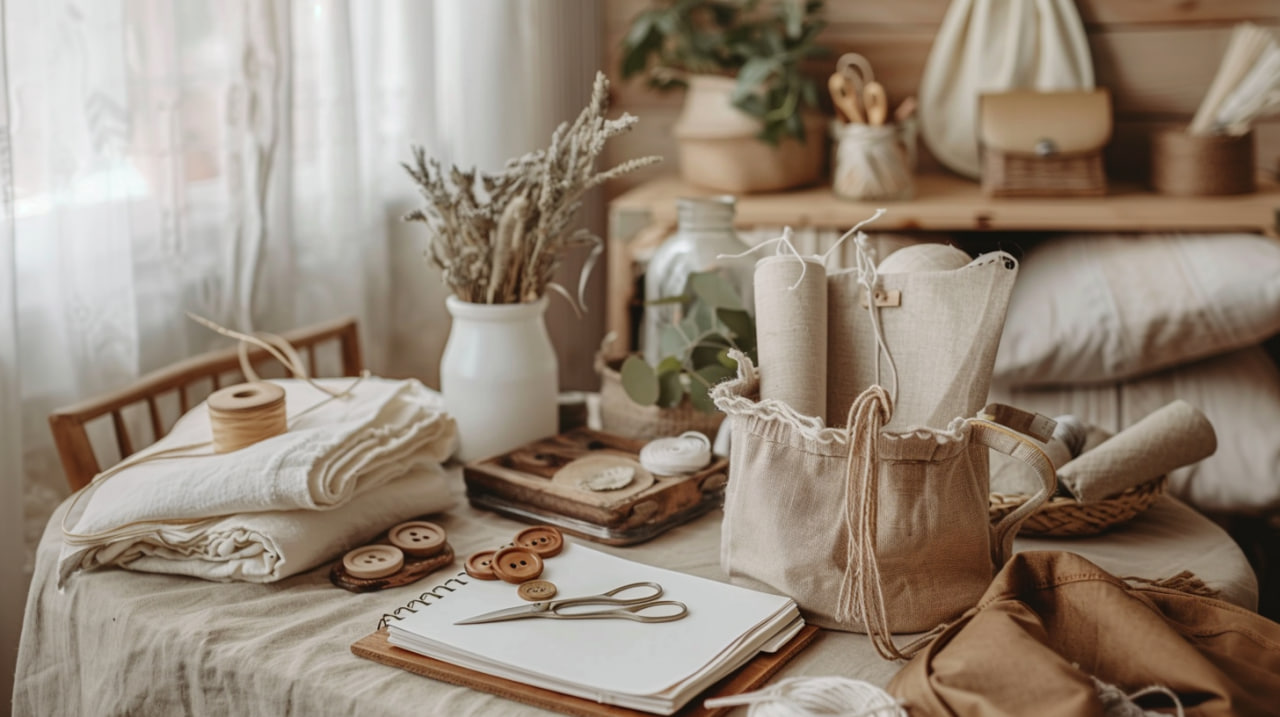
Sort through your fabric collection—you might be surprised at what you already have.
Repurpose unfinished projects, muslins, or garments that no longer fit.
Save offcuts from past projects—they’re perfect for color-blocking, linings, or patchwork.
Every scrap you rescue from the bin is one less piece of fabric wasted.

2. Embrace Secondhand Fabric and Materials

New fabric can be costly—both financially and environmentally. Fortunately, there’s a world of fabric already in circulation, just waiting to be turned into something beautiful.
Thrifted textiles: Sheets, curtains, tablecloths, and oversized clothing offer generous yardage. Look for natural fibers like cotton, linen, and wool.
Deadstock fabric: Some retailers specialize in leftover or discontinued bolts from the fashion industry. This gives fabric a second chance instead of sending it to landfill.
Swap groups and online communities: Join fabric swap events or local Facebook groups to trade unused materials with fellow sewists.
Secondhand doesn’t mean second-rate—in fact, it can spark some of your most creative projects.

3. Choose Natural Fibers When You Can

When you do buy new fabric, reach for natural, biodegradable fibers like:
Cotton (especially organic or recycled)
Linen and hemp (require less water and chemicals to grow)
Wool and silk (biodegradable and long-lasting)
Avoid fabrics made from synthetic petroleum-based materials like polyester, acrylic, or nylon, which shed microplastics and take centuries to break down. If you love the stretch of knits, try cotton jersey blends with a small percentage of elastane—a lower-impact compromise that still gives you flexibility.

4. Cut With Care — and Save Those Scraps

Mindful cutting reduces waste — and opens up future creative options.
✔ Cut fabric in a single layer for more precision and less waste.
Lay out pattern pieces with efficiency in mind — not just convenience.
✔ Save even small scraps. Use them for:

  • Quilting
  • Pocket linings
  • Fabric-covered buttons
  • Stuffing for poufs or pet beds
  • Zero-waste accessories like scrunchies, bookmarks, and bias tape
    Keep a basket nearby and challenge yourself to “use it up” before throwing it out.

5. Repair, Don’t Replace

Mending is a powerful act of sustainability. Whether store-bought or handmade, your clothes deserve a second chance.
Reinforce weak seams before they tear.
Patch holes creatively — visible mending adds character.
✔ Replace zippers, buttons, or elastic to extend a garment’s life.
A quick repair can keep a piece in rotation for years. Plus, visible mending is having a well-earned fashion moment.

6. Choose Timeless Over Trendy

Fast fashion thrives on trend cycles. Slow sewing thrives on timelessness.
Choose patterns and silhouettes you’ll love for seasons — or years.
✔ Make garments that layer well, mix easily, and fit your lifestyle.
✔ Think about wearability and versatility before cutting into that “special occasion” fabric.
Sewing something that lasts is one of the most sustainable choices you can make.

7. Be Energy-Aware in the Sewing Room

It’s easy to forget that electricity plays a role in your sewing footprint.
A few mindful tweaks can help:
Turn off your machine and iron when not in use.
Iron in batches to reduce repeated heating.
✔ Use LED task lighting.
Unplug devices when you’re done sewing for the day.
Small energy habits add up over time — especially for regular sewists.

8. Make Your Own Reusables

Sewing gives you the power to reduce waste beyond your wardrobe.
✔ Fabric napkins and paper towel alternatives
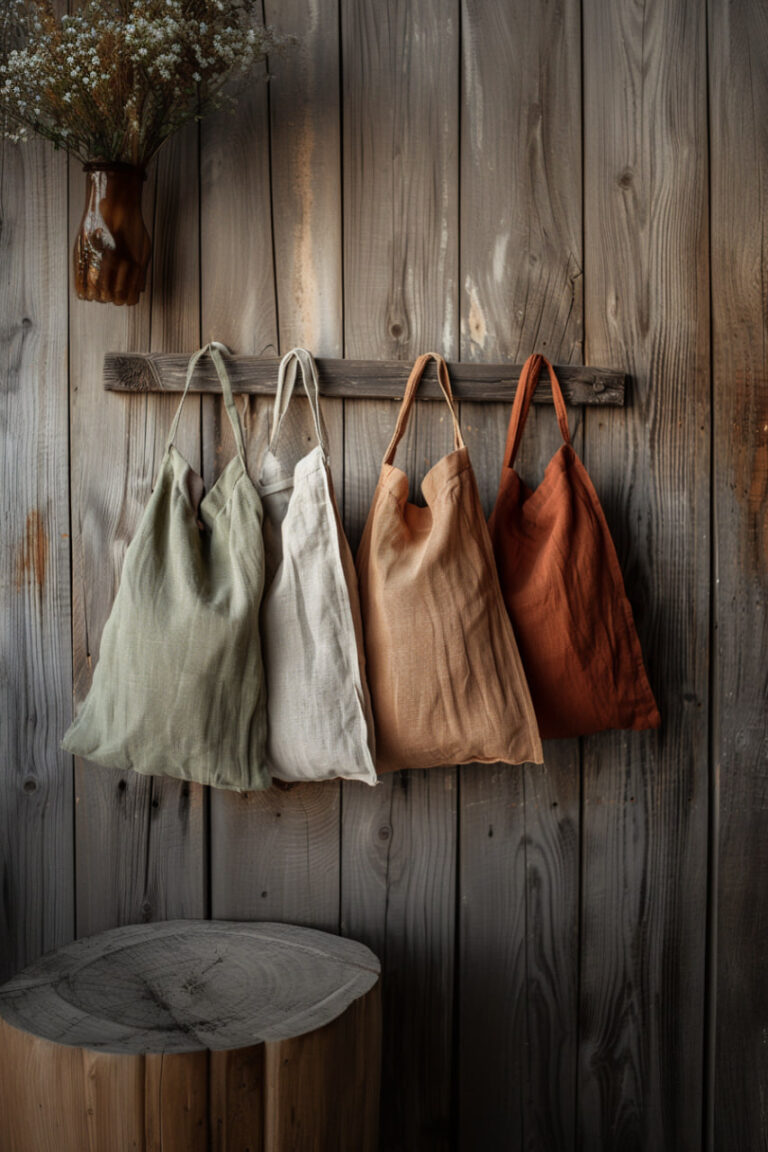
 Grocery totes and produce bags
✔ Makeup remover pads
Reusable sandwich wraps and bowl covers
These simple projects help replace single-use items and make great gifts, too.

7. Be Energy-Aware in the Sewing Room

It’s easy to forget that electricity plays a role in your sewing footprint.
A few mindful tweaks can help:
Turn off your machine and iron when not in use.
Iron in batches to reduce repeated heating.
✔ Use LED task lighting.
Unplug devices when you’re done sewing for the day.
Small energy habits add up over time — especially for regular sewists.

8. Make Your Own Reusables

Sewing gives you the power to reduce waste beyond your wardrobe.
✔ Fabric napkins and paper towel alternatives
 Grocery totes and produce bags
✔ Makeup remover pads
Reusable sandwich wraps and bowl covers
These simple projects help replace single-use items and make great gifts, too.

Sew Smart, Sew Green

Sustainable sewing isn’t about guilt — it’s about intention. Every mindful choice you make, from fabric selection to scrap storage, reduces your impact and deepens your connection to the craft.
So whether you’re stitching up a new wardrobe or hemming a secondhand sheet, know this: you’re not just making something beautiful. You’re making a difference.

Want some more? Here...

Press to Impress

The Ironing Trick That Instantly Upgrades Your Sewing
There’s a silent hero in every well-sewn garment, and it’s not the machine, the fabric, or even the hands that stitched it. It’s the iron. While it may seem mundane compared to the thrill of cutting fabric or the satisfaction of topstitching, pressing is one of the most powerful tools in your sewing arsenal. And yet,it’s often skipped or rushed, especially by beginners eager to see a project come together.

Read more

Pajamas as Outerwear

Pajamas as Outerwear: The Rise of Relaxed Luxury in Fashion

Pajamas have long been associated with comfort, relaxation, and bedtime rituals.

Read more